

Furniture Scale & Proportion: How to Get It Right in Interior Design
Have you ever walked into a beautifully furnished room and felt like something was… off? Maybe the coffee table seemed too small, or the sofa overwhelmed the space. That uneasy feeling usually comes down to a simple but essential design principle: furniture scale and proportion.
At Retros Gallery, we believe that great design is less about filling a room—and more about how each piece lives within it. Whether you’re styling a downtown apartment or reimagining a mid-century home, mastering scale and proportion transforms your space from functional to effortlessly elevated.
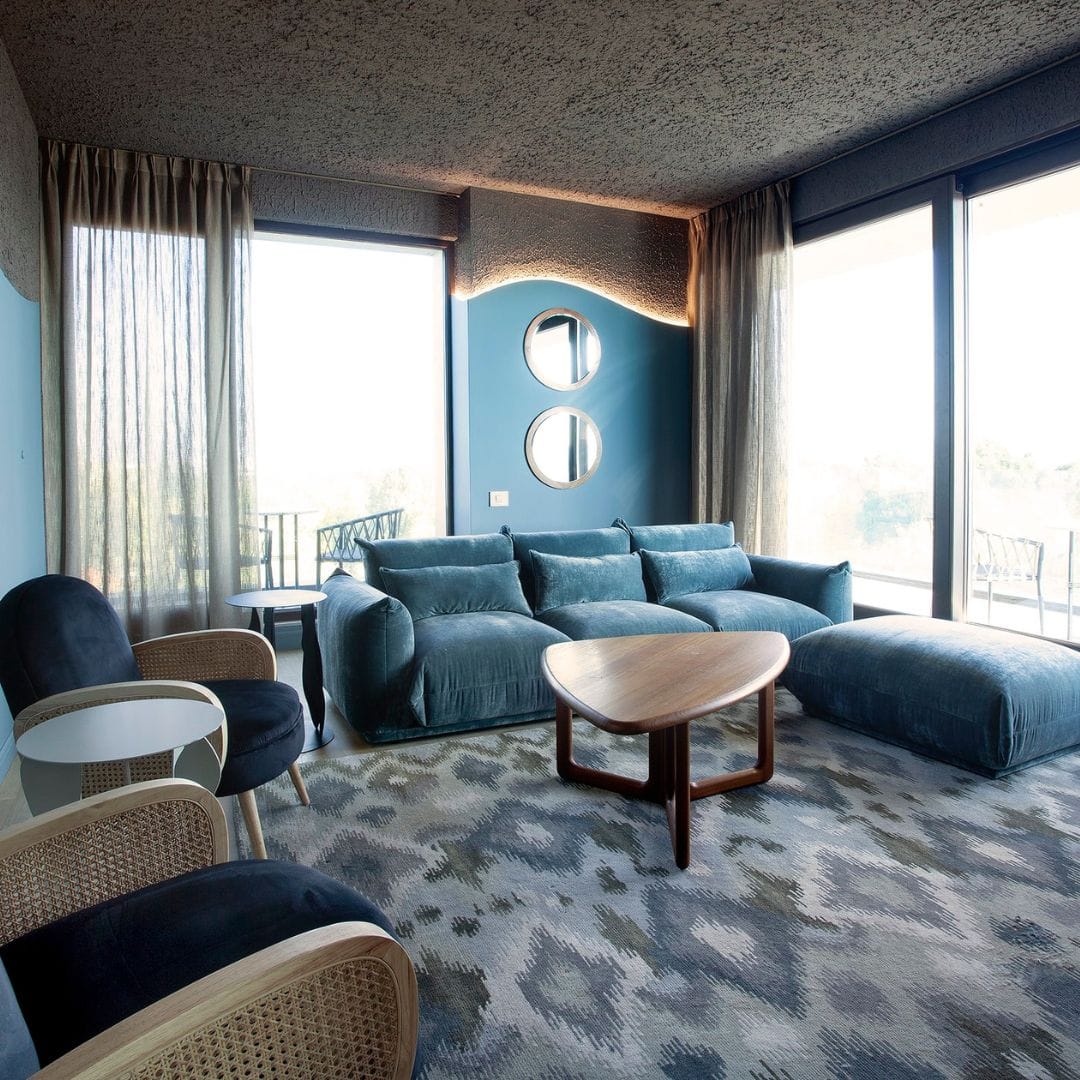
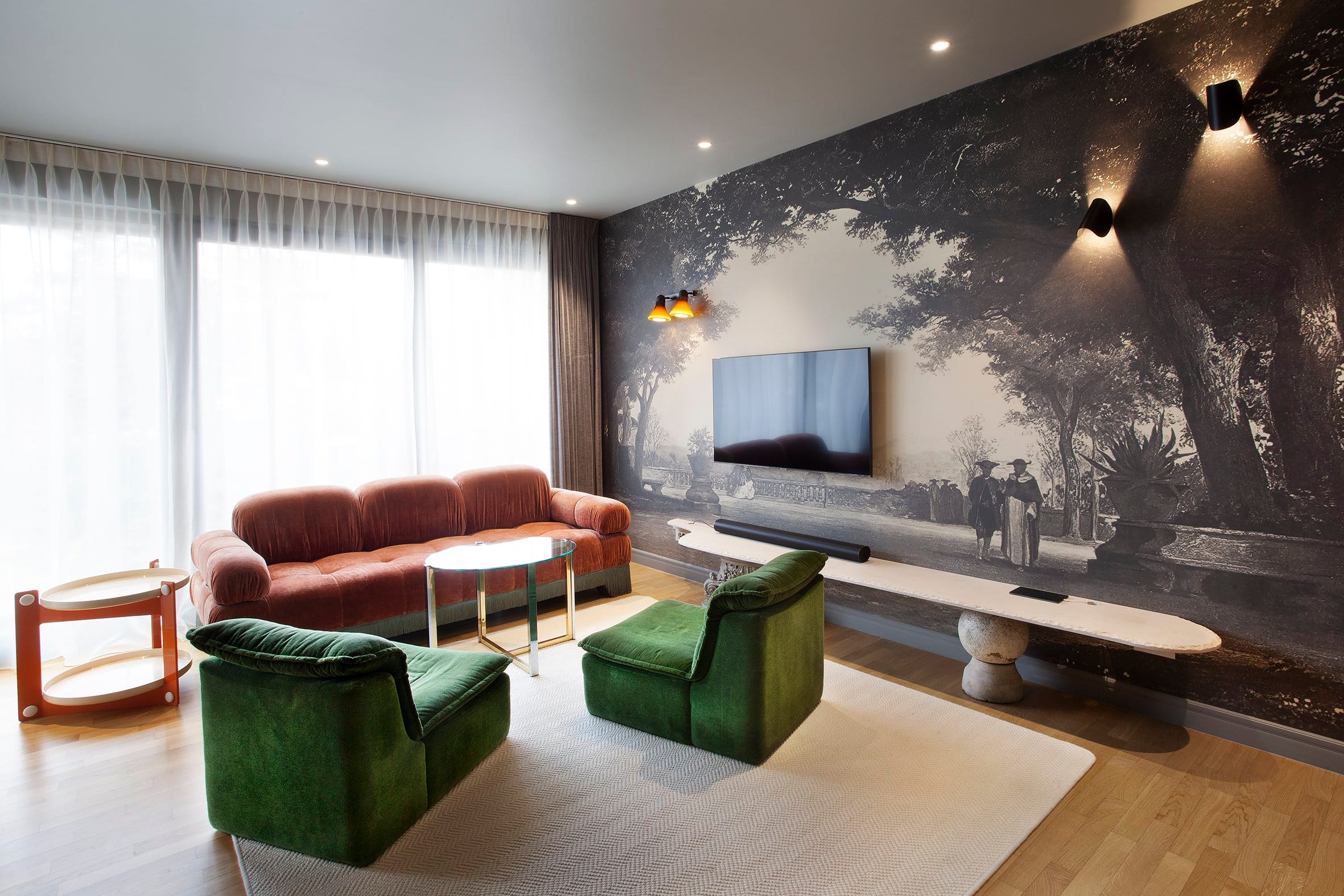
Try the Painter’s Tape Trick First
Before moving heavy pieces or making a major purchase, outline the dimensions of your intended furniture on the floor using painter’s tape. This simple visual exercise helps you assess how well a piece fits your layout—without straining your back.
Final Thoughts: Why Scale Changes Everything
Getting furniture scale and proportion right isn’t just a technical skill—it’s a design superpower. It’s what transforms a space that’s simply filled into one that feels finished.
So whether you’re starting over, updating a corner, or rebalancing your current layout: Let Retros Gallery help you design rooms that feel as good as they look.
Want a more intentional space? Explore our curated collections. Book a styling consultation.
What Do We Mean by Furniture Scale and Proportion?
- Scale refers to how a piece of furniture relates to the size of the overall room.
- Proportion focuses on how furniture elements relate to one another—like a sofa to a rug, or artwork to the sideboard below it.
When these two are in harmony, your interiors feel intentional, balanced, and easy to move through. Get them wrong, and even the most expensive furnishings can look awkward.
Design Principles to Create a Balanced Layout
1. Choose Furniture That Fits the Room
- Large rooms can handle oversized sectionals, expansive dining tables, and tall cabinets.
- Smaller spaces call for compact silhouettes, lighter materials, and smart spacing. Don’t be afraid of white space—it helps rooms breathe.
2. Follow the 2/3 Visual Rule
When hanging artwork above a sofa, console, or fireplace, aim for it to span about two-thirds the width of the furniture below. This creates a sense of visual balance and anchoring.
3. Anchor With Rugs the Right Way
- Ensure at least the front legs of sofas and chairs sit on the rug to connect your layout.
- If your rug feels too small, layer it over a larger neutral rug to correct scale and add texture.
Explore our Statement Area Rugs designed to visually ground your furniture.
4. Maximize Function with Flexible Pieces
Must-Know Furniture Spacing Guidelines. Use these essential spacing rules to create flow and balance in your room:
- Distance between sofa and nearby furniture: 45–60 cm (18–24 inches)
- Space between seating and coffee table: 38–45 cm (15–18 inches)
- Walkways between furniture pieces: Minimum 60 cm (24 inches)
- Main traffic paths: 90–120 cm (35–47 inches) for comfortable circulation
- Gap from wall to furniture group: 45–60 cm (18–24 inches)
These simple measurements help your layout feel open, natural, and thoughtfully designed—no crowding, no awkward gaps.
Curated for Real Life: The Retros Gallery Difference
Thoughtful scale eliminates the guesswork. At Retros Gallery, every piece in our collection is chosen not only for aesthetic beauty but also for how it lives in real spaces.


